I design AI products. Then I ship them
I turn complex ideas into products people can understand, use, and pay for. Product strategy, UX/UI, prototyping, production code, monetization, and growth, handled as one connected system
A product designer who can actually build the product
I’m Carlos Lastres, an AI product designer and design engineer based in Tokyo.
My background crosses product design, software engineering, and business. I have an MBA, more than 15 years of design experience, and I still write production code.
That changes how I approach product decisions.
I don’t design an idealized interface and hand the difficult parts to somebody else. I think about the business model, technical constraints, user behavior, implementation, and what happens after launch from the beginning.
My work has shipped across AI, SaaS, accessibility, Web3, education, fintech, and consumer products, reaching millions of users.
Based in Tokyo. Working globally.
Spanish, English, Japanese, and Chinese.
Apple Design Award 2025. Inclusivity
My work on Speechify was recognized by Apple with the 2025 Apple Design Award for Inclusivity.
Accessibility is not a layer added at the end of a project. It is product design at its most demanding: understanding different people, different contexts, and different ways of interacting with technology.
That thinking influences everything I build.
- Award
- Apple Design Award
- Category
- Inclusivity
- Product
- Speechify
- Year
- 2025
I don’t just design AI products. I build with AI every day
I’m an official Claude Partner in Claude Code, the tool I use across product design, engineering, prototyping, and shipping.
AI has made producing screens faster.
It has not made deciding what should exist any easier.
That is where product design matters more than ever: choosing the right problem, designing the interaction between people and models, understanding failure states, and turning intelligence into something genuinely useful.
- Claude Partner
- Claude Code
- Focus
- AI-native product design and development
- Recognized
- 2026
I build my own products too
Client work tells you I can collaborate.
My own products tell you I can ship.
For each of these, I owned the idea, product strategy, UX, interface, code, launch, and everything that happened after launch.
From product idea to production
The best products do not separate strategy, design, engineering, and growth into isolated problems.
Neither do I.
I design AI products around what the model can actually do, what users need to understand, and where human judgment still matters.
- Product strategy
- AI interaction design
- UX/UI design
- User flows
- Prototyping
- Design systems
- Agent and conversational UX
I turn product decisions into working software.
Because I design and build, there is no handoff where the details disappear between a Figma file and production.
- Web applications
- iOS products
- macOS experiences
- Frontend development
- Interactive prototypes
- AI integrations
A beautiful product that nobody activates, upgrades, or returns to is still a broken product.
I design the moments that turn usage into a business.
- Onboarding
- Activation
- Paywalls
- Pricing and packaging
- Upsells
- Conversion
- Retention
- Experimentation
Before designing screens, I help teams decide what deserves to be built.
- Product positioning
- Feature strategy
- Roadmapping
- Competitive analysis
- Product-market questions
- Business model thinking
The experience starts long before someone opens the product.
I connect product, brand, website, positioning, SEO, content, and launch so they tell the same story.
- Brand systems
- Product websites
- SEO and content
- Launch strategy
- Product storytelling
Products designed to move something
I care about the interface, but the interface is not the outcome.
The work below spans AI, consumer software, SaaS, fintech, Web3, accessibility, public-sector technology, and entertainment.
Whenever the data is available, the case study includes what changed after the work shipped.
One person thinking about the whole product
Most product problems do not respect departmental boundaries.
A confusing onboarding flow might be a UX problem, a positioning problem, an engineering constraint, or a pricing problem.
Usually, it is several of them at once.
If I design something, I understand what it takes to build it.
If I build something, I understand why it was designed that way.
There is no second version of the idea created during handoff.
My MBA is useful for one simple reason: product arguments are often business arguments disguised as design arguments.
Revenue, positioning, retention, cost, and technical feasibility belong in the design conversation from the beginning.
A Figma file is not the product.
Production behavior, performance, edge cases, App Store requirements, analytics, conversion, and what users actually do after launch are part of the design too.
Three TEDx stages. The United Nations
I speak about design, technology, AI, creativity, and the responsibility that comes with building products people depend on.
My talks have taken me from Japan and China to the United Nations, with work and ideas covered internationally.
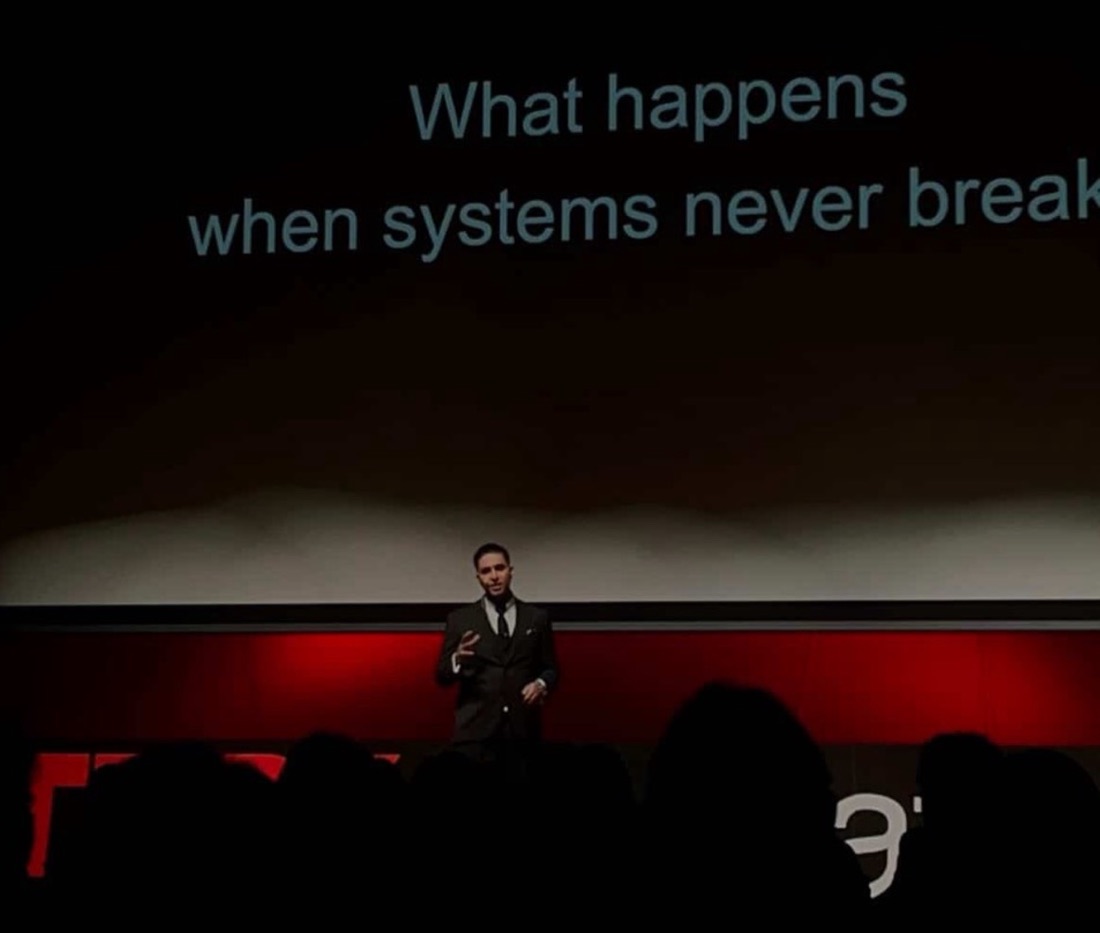 Talk 01 · Tokyo, JP
TEDx Tokyo
Watch talk ↗
Talk 01 · Tokyo, JP
TEDx Tokyo
Watch talk ↗
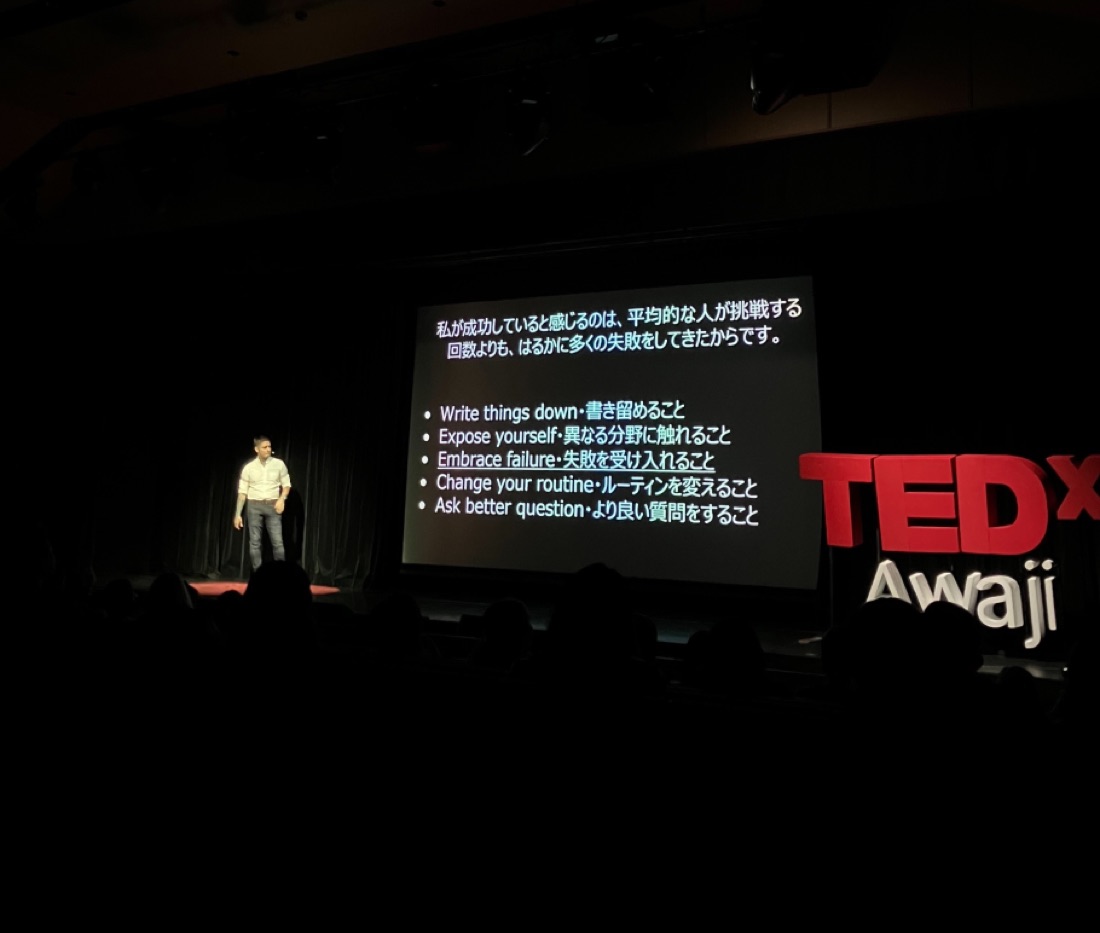 Talk 02 · Awaji, JP
TEDx Awaji
Watch talk ↗
Talk 02 · Awaji, JP
TEDx Awaji
Watch talk ↗
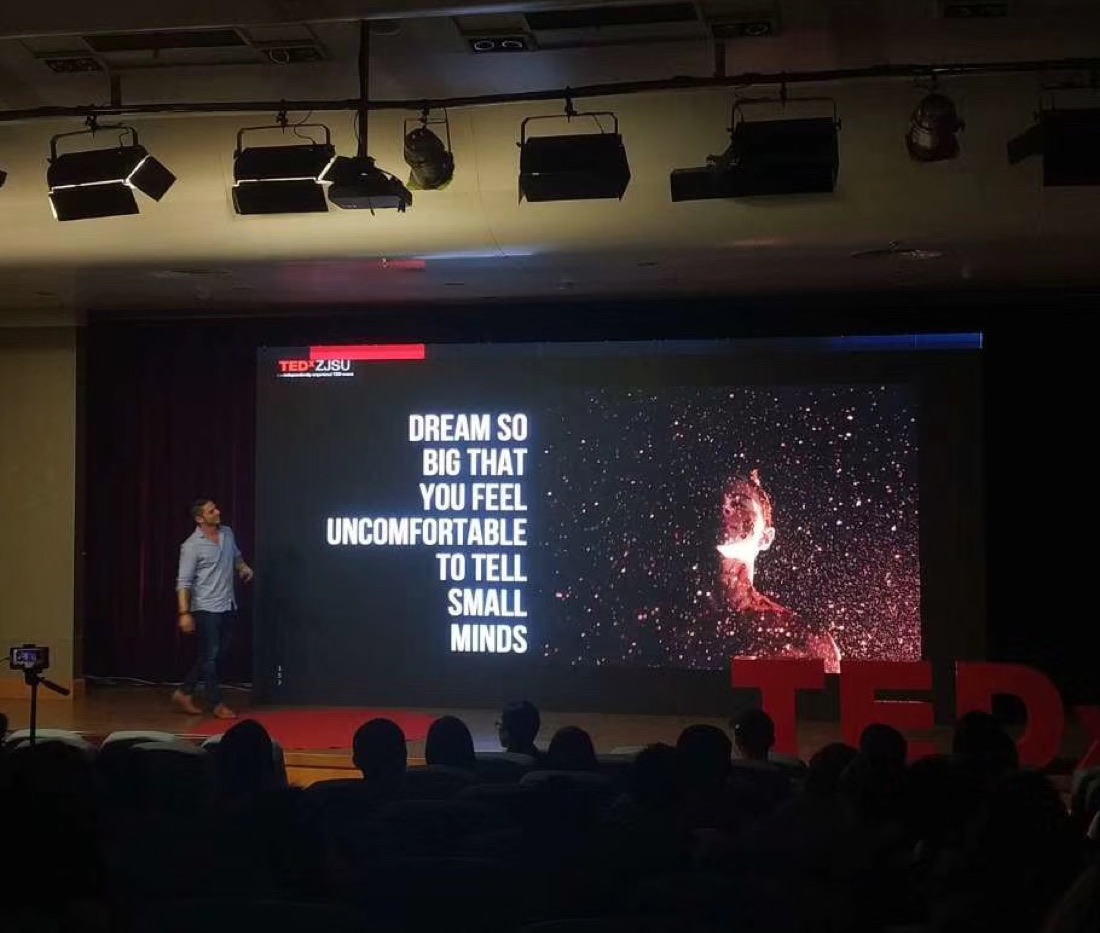 Talk 03 · Hangzhou, CN
TEDx ZSJU
Watch talk
Talk 03 · Hangzhou, CN
TEDx ZSJU
Watch talk
What people say after we work together
“Carlos handled all of our product design and frontend UI/UX work during rapid development of our job board platform. I highly recommend him!”
“Carlos has contributed so much in bringing Web3Auth’s UX forward, really appreciate all the work he has done.”
“It’s always a pleasure to work with Carlos. He has good communication skills. He can transform ideas into designs and implement those designs in a clean and nice front-end.”
I write about what I learn by shipping
AI product design, design engineering, growth, Claude Code, product strategy, and the changing role of designers.
Not theory from the sidelines.
Mostly things I learned because I built something, shipped it, broke it, measured it, or had to fix it.
Frequently asked questions
What does an AI product designer do?
An AI product designer turns AI capabilities into understandable product experiences. That includes deciding where AI should be used, designing interactions with models and agents, handling uncertainty and failure states, and building interfaces that help people understand what the system is doing.
My work extends beyond UX/UI into product strategy, engineering, monetization, and launch.
What is a design engineer?
A design engineer works across both product design and implementation.
I design interfaces and product flows, but I also write the code required to turn them into working products. This reduces handoff, makes prototyping faster, and keeps the final implementation closer to the original product intent.
Do you work on existing products or only new products?
Both.
I work on zero-to-one products as well as existing products that need stronger onboarding, UX, monetization, retention, positioning, or design systems.
What platforms do you work on?
My work includes web products, SaaS, iOS applications, macOS experiences, AI interfaces, conversational products, and connected hardware experiences.
Where are you based?
Tokyo, Japan.
I work with companies and teams internationally and can collaborate in Spanish, English, Japanese, and Chinese.
Can you help with both design and development?
Yes.
That is one of the main reasons teams hire me. I can take a product from strategy and UX through visual design, prototyping, and implementation without separating design and engineering into two disconnected processes.
Have a product to build, fix, or grow?
Tell me what you are building, what is not working, and what you want the product to achieve.
I can help with the product strategy, design, engineering, monetization, or the whole thing.